Area Real Estate News & Market Trends

You’ll find our blog to be a wealth of information, covering everything from local market statistics and home values to community happenings. That’s because we care about the community and want to help you find your place in it. Please reach out if you have any questions at all. We’d love to talk with you!

March 11, 2026

Quality of Life in Orange County: Why Living Here Is Worth the Investment


Why So Many People Want to Call Orange County Home

When people start exploring Orange County real estate, one of the first questions they ask is: Is living here really worth the investment?

It’s a fair question. Home prices in Orange County are higher than many parts of the country. But what buyers quickly discover is that they’re not just buying a house, they’re investing in a lifestyle.

From year-round sunshine and world-class beaches to thoughtfully designed communities and incredible outdoor access, living in Orange County offers a quality of life that’s hard to replicate anywhere else.

For many homeowners, the value goes far beyond property appreciation. It’s about how life feels day to day.

The Weather: One of the Best Climates in the Country


One of the most obvious benefits of living in Orange County is the weather. With mild temperatures year-round and an average of over 275 sunny days annually, outdoor living becomes part of everyday life.

Instead of being limited by seasons, residents can enjoy:

  • Morning beach walks in January

  • Hiking in the hills in February

  • Outdoor dining almost every evening

  • Surfing, paddleboarding, or biking year-round

Many people relocating from colder climates quickly realize how much the weather impacts their daily routine and their overall happiness. In Orange County, sunshine isn’t just a perk. It’s part of the lifestyle.

Easy Access to Beaches and Outdoor Recreation

One of the biggest lifestyle advantages of Orange County real estate is how close everything is to nature.

Within a short drive, you can reach some of Southern California’s most iconic coastal destinations:

  • Laguna Beach for art, coves, and stunning views

  • Newport Beach for boating, harbor life, and waterfront dining

  • Dana Point for surfing and whale watching

But it’s not just about the coastline. Orange County also offers incredible inland recreation like hiking in Aliso & Wood Canyons Wilderness Park, mountain biking in Whiting Ranch, and golf courses throughout Mission Viejo, San Juan Capistrano, and Rancho Santa Margarita.

For many homeowners, having this level of outdoor access nearby makes everyday life feel more balanced and active.

Thoughtfully Designed Communities

One thing that stands out about South Orange County communities is how intentionally they’re designed. Many neighborhoods were built with lifestyle in mind, not just housing.

You’ll find communities that include walking trails connecting neighborhoods, local parks and playgrounds, community pools and recreation centers, nearby shopping and dining, and highly rated schools.

Cities like Irvine, Mission Viejo, Rancho Santa Margarita, Ladera Ranch, and Aliso Viejo are great examples of this planning. For families, professionals, and retirees alike, these communities offer a sense of connection and convenience that’s hard to find elsewhere.

Strong Property Values and Long-Term Investment Potential

While lifestyle is the biggest draw, Orange County real estate has historically held strong long-term value.

Several factors contribute to this:

  • Limited coastal land supply

  • High demand from buyers relocating to Southern California

  • Strong local job markets

  • Desirable school districts

  • Lifestyle amenities that continue attracting buyers

In many ways, buying a home in Orange County combines lifestyle benefits with long-term investment stability.

Community Events and Local Culture

Another part of the Orange County lifestyle people fall in love with is the sense of community.

Throughout the year, cities host local events like farmers' markets, outdoor concerts, art festivals in Laguna Beach, boat parades in Newport Beach, and holiday events in town centers. These gatherings create opportunities for neighbors to connect and for families to build traditions.

Everyday Convenience

Another underrated advantage of living in Orange County is convenience. Beaches, John Wayne Airport, shopping centers, and major freeways connecting Los Angeles and San Diego are all relatively close.

Whether someone works locally or remotely, Orange County offers access to both urban amenities and relaxed coastal living.

The Lifestyle ROI: More Than Just Property Value

When buyers ask whether Orange County is worth the investment, I often talk about lifestyle return on investment.

Real estate appreciation matters, but many homeowners value things like spending more time outdoors, living near the ocean, feeling connected to their community, and having access to excellent schools and amenities. Those everyday experiences add up.

Buying a home is always a financial decision, but in places like Orange County, it’s also a lifestyle decision. From coastal beauty and outdoor recreation to thoughtfully designed neighborhoods and strong communities, living in Orange County offers a quality of life that continues to attract buyers from across the country.

Thinking About Buying or Selling in Orange County?

Whether you’re relocating, upsizing, downsizing, or simply exploring your options, having the right guidance makes all the difference. Leslie Swan helps buyers and sellers navigate the Orange County real estate market with clear communication, local expertise, and a client-first approach.


Thinking about buying or selling in Orange County? Leslie Swan would love to help you navigate the market and find the right home for your lifestyle. Reach out by calling or texting 949-444-1601 and/or emailing leslie@theswanteamoc.com.


March 11, 2026

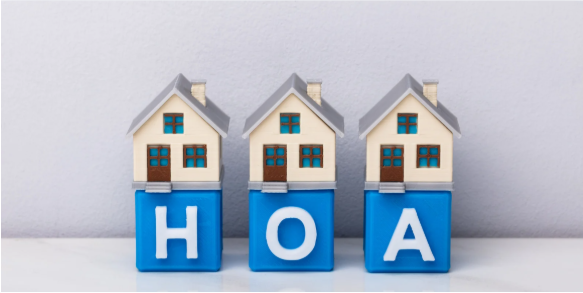
HOAs in Orange County: What They Do, Who Runs Them, and Why They’re So Common in South OC

Why So Many Orange County Neighborhoods Have HOAs

If you’re buying a home in Orange County, especially in South Orange County communities, there’s a good chance the property will be part of a Homeowners Association (HOA).

For buyers relocating from other areas, this can sometimes come as a surprise. HOAs are extremely common throughout Orange County, particularly in cities like Irvine, Mission Viejo, Rancho Santa Margarita, Ladera Ranch, Aliso Viejo, and Lake Forest.

Once buyers understand how they work, many discover that HOA communities help maintain the quality, appearance, and long-term value of neighborhoods.

What Is a Homeowners Association?

A Homeowners Association (HOA) is an organization that manages and maintains a residential community. When you buy a home within an HOA community, you automatically become a member.

The HOA is responsible for maintaining shared spaces and ensuring the neighborhood follows certain standards. These typically include landscaping of common areas, community amenities like pools and parks, exterior appearance guidelines, community maintenance, and budgeting for future repairs.

Homeowners pay monthly HOA dues that help cover these costs.

Who Actually Runs the HOA?

HOA Board of Directors

Most HOAs are governed by a board made up of homeowners who live within the community. These residents volunteer their time and are elected by other homeowners. They help make decisions about rules, budgets, and community improvements.

Property Management Companies

Many communities hire professional property management companies to handle day-to-day operations. These companies may collect HOA dues, schedule maintenance, manage vendor contracts, and communicate updates to residents.

Why HOAs Are So Common in South Orange County

If you explore South Orange County communities, you’ll quickly notice that most neighborhoods are part of an HOA. That’s largely because many of these cities were developed as master-planned communities.

Planned developments were designed with shared amenities and cohesive neighborhood layouts. Communities may include pools, recreation centers, walking trails, greenbelts, parks, and neighborhood events. HOAs help maintain these spaces and keep everything organized.

The Benefits of HOA Communities in Orange County

Well-Maintained Neighborhoods

HOA guidelines help maintain a consistent neighborhood appearance through exterior maintenance standards, landscaping upkeep, and parking guidelines.

Access to Amenities

Many HOA communities include amenities that would be expensive for individual homeowners to maintain, such as pools, clubhouses, tennis courts, fitness centers, and parks.

Long-Term Property Value Protection

Well-maintained neighborhoods tend to hold value better. HOAs help ensure common areas and homes remain attractive to future buyers.

Common HOA Concerns Buyers Have

Are HOA Rules Too Restrictive?

Most HOA guidelines focus on maintaining community appearance and shared spaces. Buyers receive HOA documents before purchasing so they can review the rules ahead of time.

Are HOA Fees Expensive?

HOA dues vary depending on the amenities and services provided. Smaller communities with fewer amenities may have lower dues, while large master-planned communities with pools, parks, and recreation centers may have higher fees. It really depends on the operating budget and how many homeowners have a share in it. 

Do HOAs Affect Resale Value?

In Orange County, HOA communities are very common. Buyers often expect them and appreciate the maintained neighborhoods and shared amenities.

What Buyers Should Review Before Purchasing

If you’re buying a home in an HOA community, it’s important to review key documents like the CC&Rs (rules of the community), HOA financial statements, reserve funds for long-term maintenance, and recent meeting notes from the HOA board.

HOAs are a major part of Orange County real estate, especially throughout South Orange County communities. While they come with rules and monthly dues, they also help maintain neighborhood standards, preserve property values, and support the lifestyle many homeowners enjoy.

Thinking About Buying in an HOA Community?

If you’re exploring Orange County real estate, understanding HOA communities can make the home search much easier. The Swan Team helps buyers navigate everything from HOA rules and fees to neighborhood amenities so you can find the right home for your lifestyle.


Thinking about buying or selling in Orange County? Leslie Swan would love to help you navigate the market and find the right home for your lifestyle. Reach out by calling or texting 949-444-1601 and/or emailing leslie@theswanteamoc.com.

Feb. 11, 2026

Why Timing Matters More Than You Think When Buying or Selling in Orange County

In real estate, timing is often treated as a helpful extra rather than a foundational strategy. In reality, timing influences leverage, pricing, competition, and even how stressful or smooth the experience feels. In a market like Orange County, where lifestyle patterns, buyer psychology, and seasonal behavior are closely connected, timing can quietly shape outcomes in meaningful ways. Understanding when buyers are most active and when competition naturally slows allows you to move with intention instead of reacting to pressure. The goal is not to chase the market, but to align with it.

Orange County tends to follow a fairly predictable annual rhythm. While each year has its own nuances, buyer demand and seller activity generally rise and fall in familiar patterns. When those patterns are understood, buyers and sellers are able to position themselves more confidently and make decisions that feel grounded rather than rushed.

Why February and March Create Strong Conditions for Sellers

For sellers, February and March consistently stand out as some of the most favorable months to list a home. These months mark the point where buyer motivation increases sharply, but inventory has not yet reached its seasonal peak. Many buyers begin the year watching the market closely. By February, those buyers are no longer just observing. They are actively touring homes, submitting offers, and are prepared to move forward.

At the same time, many sellers are still preparing, which means fewer homes are competing for attention. When demand outpaces supply, competition increases naturally. This often results in more showings, stronger offers, and cleaner negotiations. Sellers benefit not because they are forcing urgency, but because the market itself creates it.

Another advantage of listing during this window is the tone of the transaction. Sellers who plan for a February or March listing often do so with intention. There is time to prepare the home properly, finalize pricing with confidence, and launch with a clear strategy. This tends to create a smoother experience overall. Instead of reacting to last-minute requests or feeling pressure to make quick decisions, sellers are often able to stay steady and focused while still benefiting from strong demand.

https://media.homefiniti.com/259/2023/4/13/EH5A8664.jpg?fit=bounds&height=1280&width=1920

Momentum Without Oversaturation

Spring is traditionally known as a busy season, but early spring offers a sweet spot. February and March provide momentum without the oversaturation that can happen later. Once inventory spikes, buyers have more options, and urgency can soften. Listing before that surge allows sellers to stand out rather than compete for attention. This positioning often leads to better outcomes without adding stress to the process.

Why Late Summer and Late December Favor Buyers

While spring often dominates the conversation, buyers frequently find their best opportunities when competition slows. In Orange County, August through October and late December are typically periods when buyer activity decreases. By late summer, many buyers who were active earlier in the year have already purchased. Daily routines shift, and the overall pace of the market becomes calmer.

This slower pace can be a significant advantage for buyers. With fewer competing offers, there is often more room for thoughtful decision-making. Buyers may have more time to evaluate homes, ask questions, and negotiate terms without the pressure of immediate deadlines. Sellers during this period may also be more flexible, especially if their home has been on the market for some time or if they are working around personal timelines.

Late December offers a similar dynamic. While it is not a high-volume season, the buyers who are active tend to be focused and serious. Sellers during this time are often motivated by specific goals such as tax planning or a desire to start the new year with a completed sale. This alignment can create opportunities for productive conversations and balanced negotiations that are harder to achieve during peak months.

https://i0.wp.com/shescookin.com/wp-content/uploads/2016/11/DSC02600.jpg?resize=600%2C401&ssl=1

Timing Should Support Your Life, Not Override It

One of the most important things to understand about timing is that it should work with your lifestyle, not against it. Not every seller should list in February, and not every buyer should wait until late summer. Timing is most effective when it supports personal goals, financial comfort, and long-term plans. The value lies in knowing how the market behaves so you can decide whether a certain season enhances your position or creates unnecessary pressure.

There is a common misconception that good timing requires rushing or waiting at all costs. In reality, good timing often creates calm. Sellers who list during periods of strong demand tend to feel less pressure to over-negotiate or second-guess pricing. Buyers who purchase during quieter seasons often experience less competition and emotional intensity. In both cases, timing creates space for clearer thinking.

Preparation and Timing Work Best Together

Timing alone does not guarantee success. Preparation is what allows timing to truly work in your favor. Sellers who plan ahead for a February or March listing are often able to present their home more effectively, with thoughtful improvements, strong marketing, and a clear pricing strategy. Buyers who plan for a late summer or year-end purchase are often better informed, more patient, and more comfortable navigating negotiations.

When preparation and timing align, the process feels less chaotic and more intentional. Decisions are made with clarity rather than urgency, and outcomes tend to reflect that steadiness.

https://us1-photo.nextdoor.com/post_photos/f9/8a/f98a228cfb0e4ddefc668f4dfd9be845

In Orange County, timing quietly shapes leverage, competition, and experience. Sellers who list in February and March often benefit from strong buyer demand and limited inventory. Buyers who purchase in August through October or late December often enjoy less competition and more negotiating flexibility. Understanding these rhythms allows you to move through the process with confidence instead of pressure.

Real estate decisions do not need to feel overwhelming to be successful. When timing, preparation, and guidance align, the experience becomes clearer, calmer, and far more confident. In a dynamic market like Orange County, that clarity is one of the most valuable advantages you can have. If you are thinking of buying or selling in the future, contact our team at 949-444-1601.

Feb. 11, 2026

What a Calm Real Estate Experience Actually Looks Like (From Start to Finish)

In real estate, most conversations start with outcomes. Price, timing, and results tend to dominate the discussion. And while those things matter, they are not what most people remember once the transaction is over.

What stays with clients long after closing day is how the process felt.

Did it feel rushed or supported?
Clear or confusing?
Grounded or constantly stressful?

A calm real estate experience is not about moving slowly or avoiding difficult conversations. It is about clarity, steady communication, and intentional guidance, especially during moments that naturally carry emotion. And interestingly, February often brings that same kind of clarity when it comes to evaluating a home and the decisions around it.

Calm Begins With Awareness

A smooth real estate experience does not start with paperwork. It starts with listening.

Before strategy, pricing, or timelines ever come into play, there has to be an understanding of why the move matters in the first place. Every client brings different motivations, pressures, and priorities. Some are excited and ready. Others are uncertain or quietly questioning whether their current home still fits.

February has a way of surfacing those questions.

With fewer distractions and a slightly slower pace, people notice how their home actually functions day-to-day. You start to feel whether mornings flow easily or feel rushed. You notice how light moves through the space, how rooms are used, and whether your home supports your routines or works against them.

That awareness is not about dissatisfaction. It is about clarity. And clarity is what creates calm decision-making later.

Communication Is What Replaces Anxiety


One of the biggest sources of stress in real estate is not the market. It is uncertainty.

When people do not know what is happening or what comes next, anxiety fills the gaps. A calm experience replaces that uncertainty with steady, thoughtful communication.

That does not mean constant noise or overwhelming updates. It means explaining what matters, checking in at the right moments, and answering questions before they turn into stress. Clients should never feel like they are guessing or chasing information.

February mirrors this same dynamic. When life quiets just enough, it becomes easier to hear what is working and what is not. That information, whether about your home or a future move, creates confidence, not pressure.


Organization Creates Breathing Room

Calm transactions are almost always well organized.

From the beginning, there is a clear sense of sequence. Clients understand what happens first, what comes next, and where flexibility exists. Timelines are discussed early and revisited often, so nothing feels sudden or reactive.

This structure does not add pressure. It removes it.

February naturally supports this kind of organization. After the start-of-year rush, many people feel ready to simplify, clearing clutter, refining routines, and creating systems that make daily life easier. These small shifts often reveal whether a home simply needs adjustments or whether a larger change may eventually make sense.

Either way, organization creates calm.

Emotional Guidance Is Part of the Process

Real estate decisions are deeply emotional, even when they appear logical on the surface. Homes are tied to memories, routines, and future plans.

A calm experience acknowledges that emotional layer without letting it take over.

There are moments when excitement runs high and moments when doubt creeps in, during inspections, negotiations, or when unexpected changes arise. Steady guidance means slowing the pace when needed, explaining the facts clearly, and helping separate emotion from reality.

February’s reflective nature makes space for this. It allows people to acknowledge when something feels misaligned without feeling rushed to act. That awareness is not a commitment. It is simply information, and information leads to better outcomes.

Challenges Are Handled Before They Escalate

Every transaction has challenges. The difference between chaos and calm is rarely the problem itself. It is how early and thoughtfully it is addressed.

A calm real estate experience anticipates potential issues and handles them proactively. Options are explained clearly. Clients understand what is happening and why. Nothing feels hidden or last-minute.

That same proactive mindset is valuable in February. This is often when people quietly recognize small frustrations that have been easy to ignore during busier seasons. Noticing them early, without urgency, creates space to plan instead of react.

Closing Feels Like a Natural Transition

By the time closing day arrives, the goal is not just to finish the transaction. It is to arrive there feeling steady and confident.

Paperwork feels expected, not overwhelming. Questions have already been answered. Decisions feel thoughtful, not rushed. Instead of relief that it is finally over, there is a sense of completion and confidence moving forward.

That is what calm creates.

Why This Approach Matters

In an industry filled with urgency and noise, calm has become a differentiator.

Information is everywhere. Advice is plentiful. What is rare is thoughtful guidance that values peace of mind as much as results. High-trust clients are not only looking for someone who can handle a transaction. They are looking for someone who can guide them through it with care and clarity.

A calm real estate experience is built on preparation, communication, and respect for the emotional weight of the process. It is not passive. It is intentional.

The Takeaway

In an industry filled with urgency and noise, calm has become a differentiator.

Information is everywhere. What is rare is guidance that values peace of mind as much as results. Whether someone is actively preparing to buy or sell, or simply reflecting on what they want next, calm creates better decisions.

February reminds us of that.

The best choices are rarely made in chaos. They are made when there is space to listen, plan, and move forward with intention.

Success in real estate is not measured only by numbers. It is measured by how supported you felt along the way.

A calm process allows clearer thinking, better decisions, and a more positive experience from start to finish. February, with its quieter honesty, offers the same gift.


Sometimes the strongest outcomes come from slowing down just enough to gain clarity, and choosing a path that feels grounded from the very beginning. If you are thinking of buying or selling in the future, contact our team at 949-444-1601.


Jan. 7, 2026

What a “Fresh Start” Really Looks Like at Home (And Why It’s Not a Renovation)


January carries a quiet promise. The pace is slower, the calendar feels open, and there is a collective desire to begin again. When people think about a fresh start at home, the instinct is often to imagine something dramatic. A renovation. A major purchase. A big, visible change that signals a new chapter.

In reality, most fresh starts do not come from tearing things down or starting over. They come from small, thoughtful shifts that make everyday life easier, calmer, and more aligned with how you actually live.

A true reset at home is not about impressing anyone. It is about creating a space that supports you from the moment you wake up to the moment you wind down at night.

https://playworkeatrepeat.com/wp-content/uploads/2023/05/Beige-Aesthetic-Morning-Routine-Checklist-2.jpg

A fresh start begins with noticing, not changing. January is one of the few times of year when routines slow down enough for you to observe how your home really functions. You notice where mornings feel rushed and where evenings feel heavy. You become aware of the spaces you gravitate toward and the ones you avoid. These patterns are not problems to fix immediately. They are information.

Most homes do not need more square footage or a full redesign. They need better flow, fewer friction points, and systems that match real life instead of idealized routines. The fresh start comes from paying attention to what feels hard and gently making it easier.

https://acamporainteriors.com/wp-content/uploads/2023/01/Suburban-Retreat-1.jpg


One of the most powerful resets is removing what no longer serves a purpose. This is not about extreme decluttering or empty spaces. It is about editing. January invites a quieter form of letting go. The extra chair that collects clothes. The pile of papers that never quite gets sorted. The items that create visual noise without adding value.

When these small sources of friction are removed, the home feels lighter almost immediately. Not because it looks different to others, but because it feels different to you. Less effort is required to maintain it. Less energy is spent managing clutter. That ease becomes part of your daily rhythm.

https://www.mydomaine.com/thmb/a_IILquicP4n7jERCtu7bUxniHE%3D/800x0/filters%3Ano_upscale%28%29%3Astrip_icc%28%29/stylelivinghallcloset-bf625dd21a7d4764a2cd2c027f922c49.jpg


A fresh start is often about systems, not style. The way shoes are stored. Where keys live. How mail enters the house and where it gets handled. These details rarely make it into design magazines, yet they shape daily life more than most aesthetic choices.

When systems are intuitive, life feels smoother. You are not constantly resetting the same spaces or feeling behind before the day even begins. January is an ideal time to adjust these systems because routines are still flexible. Small changes made now tend to stick because they are built into the rhythm of the year ahead.

https://m.media-amazon.com/images/I/71pJJoDB%2B6L.jpg


Lighting is another quiet reset that is often overlooked. In January, light matters more. Days are shorter, and the quality of light inside the home directly affects mood and energy. A fresh start can be as simple as replacing harsh overhead lighting with softer lamps, adding dimmers, or opening up window coverings to let in more natural light during the day.

These changes do not announce themselves, but they are felt. Mornings become gentler. Evenings feel calmer. The home supports rest instead of fighting it.

https://cdn.mos.cms.futurecdn.net/6GPZELZtoas7GT8RXxPnw4.jpg


Mindset plays just as big a role as physical space. Many people approach a new year with pressure to do more, change more, and move faster. A true fresh start at home often means choosing the opposite. It means allowing the space to support who you are right now, not who you think you should be.

This might look like creating a dedicated spot to sit quietly in the morning. It might mean letting go of rooms that are styled but unused and rethinking how they could better serve your daily life. The goal is not perfection. It is alignment.


https://citrineliving.com/wp-content/uploads/2022/01/winter-bedroom-refresh-3-1-768x1151.jpg


Bedrooms, in particular, benefit from a January reset. Fresh bedding, simplified nightstands, and calmer color palettes can dramatically change how the day begins and ends. When the bedroom feels restful, sleep improves. When sleep improves, everything else tends to follow.

This kind of reset does not require construction or big investments. It requires intention and an understanding of how space influences well-being.


https://www.mountainside.com/wp-content/uploads/2022/10/man-relaxing-at-home.jpg


Perhaps the most important part of a fresh start is giving yourself permission to evolve. Homes are not static. They should change as life changes. January offers a rare pause to ask whether your space still fits the way you live, or whether it reflects a past version of your life that no longer applies.

These reflections do not require immediate action. Sometimes the fresh start is simply awareness. Knowing what feels off. Knowing what feels good. Trusting that clarity will lead to the right next step, whether that is a small adjustment, a larger change, or simply staying put with more intention.

A fresh start at home is not about starting over. It is about refining. It is about choosing ease over excess and clarity over chaos. When small shifts are made with care, the home begins to work with you instead of against you.

January reminds us that meaningful change does not have to be loud to be powerful. Sometimes the most lasting resets are the quiet ones that make everyday life feel just a little bit better, right from the start of the year.


Jan. 7, 2026

How We Use Our Homes Differently in OC Winters

Indoor-Outdoor Living, Light, and Choosing a Lifestyle-First Home in Orange County

Winter in Orange County looks nothing like winter in most places. There is no full stop to outdoor life, no months-long retreat indoors, no dramatic shift in how homes are used. Instead, there is a subtle change in pace. Mornings feel quieter. Evenings feel cooler. Life slows just enough to notice details that often get overlooked the rest of the year.

This slower season reveals something important about Orange County living. Homes here are not just shelters. They are extensions of daily rhythm, light, and lifestyle. Winter is when that becomes most obvious.

How We Use Our Homes Differently in OC Winters

In Orange County, winter shifts how we use our homes without shutting anything down. Doors still open. Windows still matter. Outdoor spaces remain part of daily life, just used more intentionally.

Mornings often start slower. Natural light becomes more noticeable as the sun sits lower in the sky. Spaces that felt busy in summer feel calmer now. Living rooms become places to linger instead of pass through. Kitchens become gathering points rather than quick stops.

This season highlights flow. You notice whether your home supports quieter mornings and more relaxed evenings. You feel the difference between a space that adapts easily and one that feels rigid. Winter reveals how well a home works when life is not rushing past it.

Indoor-Outdoor Living When the Pace Slows

Indoor-outdoor living is often associated with summer in Orange County, but winter is when its value becomes clearer. Without the heat or constant activity, these spaces are used more thoughtfully.

Covered patios, sliding doors, and seamless transitions between inside and out allow homes to breathe. A morning coffee outside feels natural. An early evening dinner extends outdoors without effort. These moments are quieter, more personal, and more reflective of everyday life than summer entertaining.

In winter, indoor-outdoor spaces are less about hosting and more about living. They support routines instead of events. Homes that do this well feel expansive without needing more square footage.

Why Light Matters More Than Space in OC Homes

One of the biggest realizations people have during OC winters is that light often matters more than size. A well-lit home can feel more comfortable and more open than a larger space with poor natural light.

Winter brings softer sunlight and longer shadows. Homes with good window placement, thoughtful orientation, and open sightlines feel brighter and more welcoming. Those without it can feel heavy, even if they are technically spacious.

This is why many Orange County buyers prioritize light over square footage once they experience it. A smaller home with beautiful daylight often supports daily life better than a larger one that feels closed off.

Light influences mood, energy, and how long people want to stay in a space. In winter, its impact becomes impossible to ignore.

What “Lifestyle First” Really Means in Orange County

Lifestyle-first is a phrase that gets used often, but in Orange County it has a very specific meaning. It is not about trends or aesthetics. It is about how a home supports daily habits.

A lifestyle-first home makes mornings easier, not just more attractive. It allows for quiet time without isolation. It supports movement between spaces without friction. It aligns with how you actually live, not how a home is staged to look.

Winter is when people notice whether their home fits their lifestyle. Does it encourage you to slow down when you want to, or does it feel restless? Does it support time at home without feeling confining? These questions matter more than finishes or features.

A lifestyle-first approach focuses on flow, light, and adaptability. It values comfort and ease over excess.

Choosing a Home That Matches Your Daily Rhythm

Every household has a rhythm. Some people start early and value quiet mornings. Others come alive in the evening. Some need flexible spaces that change throughout the day. Others prefer clearly defined areas.

Winter helps reveal that rhythm. With fewer distractions, you become more aware of how your home interacts with your routine. You notice where you naturally sit, where you avoid spending time, and where life flows most easily.

Choosing a home that matches your daily rhythm is less about compromise and more about alignment. When a home supports how you live, it reduces stress without effort. You do not have to force routines to work around the space. The space works with you.

This alignment is what makes a home feel right long after the excitement of a move fades.


Orange County winters offer a quieter lens through which to see your home clearly. They reveal how light, flow, and lifestyle matter more than size or trends. They show whether a space supports your daily rhythm or works against it.

This season is not about making big changes. It is about noticing what feels easy, what feels heavy, and what truly supports the way you live.

Homes in Orange County are not just places to land at the end of the day. They are environments that shape how each day unfolds. Winter simply gives you the space to see that more clearly.

And often, that awareness is the most valuable part of all.


Dec. 23, 2025

Canyon Crest Shines Bright: 2nd Annual Unofficial Holiday Lights Contest


Canyon Crest Holiday Lights Contest


The 2nd Annual Unofficial Canyon Crest Holiday Lights Contest was a huge success—and this neighborhood absolutely stepped it up this year.

Compared to last year, more homes participated, more streets were glowing, and the amount of lights was next-level. It made driving from street to street an experience in itself and reminded us why Canyon Crest is such a special place to live, especially during the holidays.


Streets That Truly Lit Up the Neighborhood

Two streets stood out in a big way and deserve special recognition:

  • Oakmont – 100% participation with all 7 homes decorated
  • Pine Glen – An incredible 23 out of 25 homes are fully decorated

Seeing entire streets come together like this is what community is all about.


🎉 2025 Contest Winners

These homes brought the wow factor and earned top honors this year:

  • 22476 Bayberry
  • 22411 Birchcrest
  • 22321 Sunbrook
  • 41 Mapleleaf

Each of these homes went above and beyond, and they were absolute standouts when cruising the neighborhood.


Honorable Mentions

So many homes made this year’s tour extra special. Honorable mentions go to:

  • 16 Ashton
  • 19 Ashton
  • 22515 Bayberry
  • 22301 Birchleaf
  • 22121 Canyon Crest Drive
  • 22161 Canyon Crest Drive
  • 22351 Canyon Crest Drive
  • 28612 Deepcreek
  • 28842 Greenacres
  • 22465 Ridgebrook
  • 28571 Mill Pond
  • 28611 Mill Pond
  • 22231 Stillwater

Your creativity and effort did not go unnoticed!


🌟 Bringing the Magic Again

A special shoutout to our 2024 winners who brought it again this year:

  • 22221 Shadowridge
  • 22092 Oak Grove

Consistency like this keeps the tradition alive and inspires everyone around you.


At the end of the day, this contest is all in good fun—a way to celebrate the season, bring neighbors together, and spread a little extra holiday cheer throughout Canyon Crest.


Thank you to everyone who participated, decorated, drove around, and enjoyed the lights. This is what makes our neighborhood feel like home. 🎄💛

Posted in Canyon Crest
Dec. 13, 2025

Santa Claus is Coming to Canyon Crest - 2025

Santa Claus will be making a stop at the Canyon Crest Clubhouse!

That's right! This Sunday, December 14, from 3 to 5 p.m., Santa will visit the Canyon Crest Clubhouse to take pictures and find out what is on your wish list. Children and adults of all ages are invited to visit with Santa during this special time he is spending with our neighborhood. Cookies, coffee, and hot cocoa will also be served

As a Canyon Crest resident, I am proud to sponsor this cherished event put on by the amazing Canyon Crest Social Committee, and I hope you can make it. If you have any questions, please text or call me at 949-444-1601.

Thank you, Canyon Crest Social Committee!

Posted in Canyon Crest
Dec. 10, 2025

December 2025 Orange County Real Estate Market Update: Trends You Need to Know

As 2025 comes to a close, the Orange County housing market is entering a brand-new phase—one defined by stability, rising inventory, and strong buyer demand as we head into 2026. In this month’s market update, I break down the latest numbers on mortgage rates, inventory shifts, days on market, and local city-by-city trends. If you're curious about whether a market crash, a slowdown, or a 2026 boom is on the horizon, this month’s data offers the clarity you’ve been waiting for.

👉 Click Here to watch the full December 2025 Orange County Market Update

If you are thinking about making a move in the next 12 months or just have questions about real estate, please contact me anytime at 949-444-1601.

Dec. 9, 2025

The “Holiday Décor Check”: The Home Maintenance You Only Notice This Time of Year

The “Holiday Décor Check”: The Home Maintenance You Only Notice This Time of Year

The holidays have a way of making us see our homes differently. Climbing ladders, hanging wreaths, unpacking storage bins, and adjusting lights all force you to pay attention to corners, ceilings, and fixtures you rarely look at. Instead of treating these little discoveries as chores, think of them as a once-a-year opportunity: the perfect moment to refresh, repair, and elevate your home before the new year. Whether you’re staying put or planning to sell in 2026, the holiday season naturally highlights the small details that influence comfort, safety, and long-term value.

1. What You Notice From the Ladder

Anytime you’re hanging décor, you’re suddenly eye-level with upper walls, ceiling edges, and fixtures you don’t normally focus on. Homeowners often spot hairline cracks, scuffed paint, dusty vents, or older lighting they’ve long forgotten. These fixes may seem small, but they dramatically improve how “cared for” a home feels. In real estate, buyers unconsciously respond to these details; they signal a home that has been maintained, not ignored.

2. The Entryway Reality Check

When you dress up the porch for the holidays, you naturally pay closer attention to the front door, the hardware, and the walkway. If the paint looks sun-faded or the handle feels loose, now is the time to address it. In Orange County, where curb appeal matters year-round, your entryway sets the tone for the entire home. A refreshed front door or updated lighting isn’t just cosmetic, it elevates first impressions and creates a warm welcome for guests and buyers alike.

3. The Lighting Audit You Didn’t Intend to Do

Holiday lights reveal more than festive sparkle. They expose where your home feels dim, uneven, or overly harsh. If certain spaces feel shadowy during gatherings, consider updating to warmer bulbs or replacing outdated fixtures. OC homeowners spend so much time entertaining indoors and outdoors that lighting becomes a true lifestyle upgrade, not just staging. It creates ambiance, improves photography if you decide to sell, and makes your home feel instantly more elevated.

4. The Hidden Maintenance You Discover in Storage Spaces

Pulling down bins from the garage or reorganizing hall closets brings attention to the “backstage” areas of your home. This is often where issues like loose shelving, worn flooring, aging mechanicals, or early signs of moisture show up first. Addressing them now prevents bigger repair costs later. Buyers always look closely at garages, water heaters, and storage functionality, so staying ahead of wear gives you a quiet strategic edge.

5. The Stairway & Banister Check

If you decorate your staircase, you’ll instinctively touch and tug on the railings. This is a good moment to tighten loose sections, address squeaky steps, or refresh worn banister finishes. Beyond aesthetics, this is about safety, especially with guests visiting. But it’s also one of the quickest ways to elevate the interior feel of the home. A sturdy, beautifully maintained staircase tells buyers the entire home has been cared for.

6. Holiday Kitchen Insights

During holiday cooking and entertaining, you notice what’s working, and what’s not. A cabinet that sticks, caulking that’s lifting, a faucet that drips, or under-cabinet lighting that’s too dim becomes impossible to ignore. Instead of pushing these aside, treat them as a mini pre-listing checklist. Kitchens sell homes, and even if you’re not selling anytime soon, these small tweaks make your everyday living experience smoother and more enjoyable.

7. The Post-Holiday “Fresh Eyes” Moment

When decorations come down, your home feels lighter and often a bit bare. This is the perfect moment to evaluate what your rooms really need. Maybe a wall color feels outdated, or a space would benefit from new furniture placement, or you realize certain pieces no longer fit your style. This clarity is valuable. If you’re planning to sell in early 2026, this fresh-eyes period naturally sets the stage for decluttering, repainting, or minor updates that make a significant difference in presentation.

Why This Seasonal Check Matters

The beauty of holiday maintenance is that you don’t have to set aside extra time, you simply pay attention while doing things you’d already be doing. And because Orange County homes endure sun exposure, coastal moisture, and year-round outdoor living, catching small issues early can save you thousands down the road. More importantly, these seasonal touchpoints help your home age elegantly, feel intentionally curated, and show at its absolute best, whether for guests or future buyers.


If you’d like a personalized walkthrough of what improvements matter most in your neighborhood, I’m always here to help. I’m Leslie Swan, your Orange County real estate partner, and together we can create a strategy that keeps your home comfortable, beautiful, and market-ready, whenever the time is right.